


Biomedical & Biotechnology Engineering Project Ideas and Topics for Final Year Students
Home / Biomedical & Biotechnology Engineering Project Ideas and Topics for Final Year Students
Technology
Choosing a final year project in Biomedical or Biotechnology Engineering shapes how students apply classroom concepts to healthcare problems that matter today. Many students struggle to find topics that feel current, useful, and strong enough for project reviews, viva sessions, and future studies. This article focuses on that need by presenting project ideas that address patient care, diagnosis, recovery support, genetics, medical devices, robotics, and public health improvement.
This article lists the Top 30 Biomedical and Biotechnology Engineering Project Ideas, carefully grouped into practical categories such as smart medical devices, biosensors, and diagnostics, tissue engineering, assistive technologies, drug delivery systems, genetics and bioinformatics, environmental health, biomedical robotics, and maternal care technologies. Each topic connects a clear problem with a workable solution that fits final year expectations. These ideas help students select projects that sound relevant, showing technical depth, and match current healthcare needs while remaining achievable at the undergraduate level.
Wearable & Smart Medical Devices
1. Smart Wearable Patch for Early Infection Detection
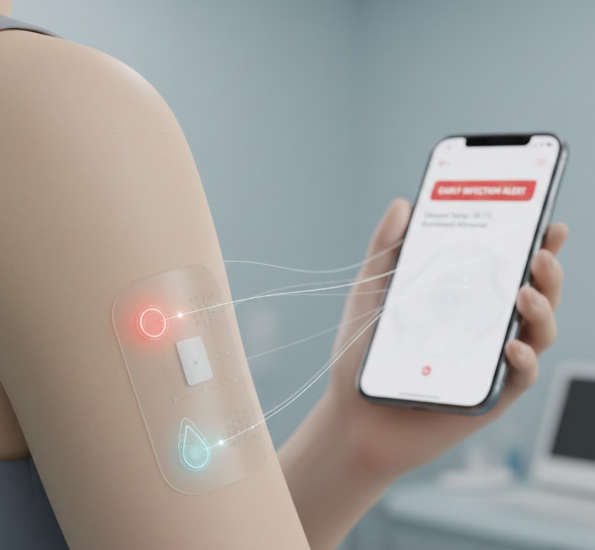
Many infections develop silently and show visible symptoms only after the condition worsens, which affects elderly people, post-surgery patients, and those with weak immunity. Current detection relies on lab tests and physical symptoms, which delay action and increase risk. This project proposes a wearable skin patch that continuously monitors skin temperature and sweat biomarkers to identify abnormal patterns early. Sensors collect data that a controller processes and compares with baseline values to detect infection signals. The system sends alerts for early medical attention, reduces emergency cases, and supports preventive care. In the future, the patch can integrate with mobile health platforms and support long-term patient monitoring.
2. Wearable Heart Rhythm Monitoring System
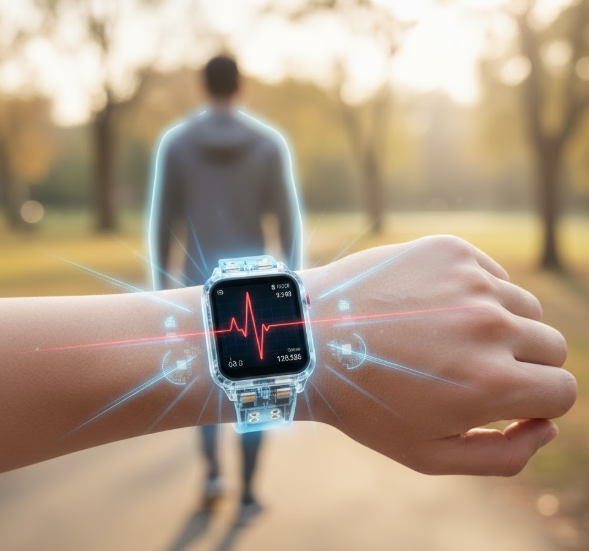
Irregular heart rhythms often develop without noticeable symptoms and can lead to serious conditions such as stroke or cardiac arrest if not detected early. Conventional heart monitoring relies on hospital-based ECG machines or short-term tests that fail to capture daily rhythm variations. This project proposes a wearable heart rhythm monitoring system that continuously tracks electrical heart activity during normal daily life. Sensors placed on the wearable capture heartbeat signals, which a controller processes to identify abnormal rhythm patterns and deviations from normal ranges. The system helps in early detection of arrhythmia, supports timely medical consultation, and reduces sudden cardiac risk. In the future, the system can support long-term cardiac monitoring and preventive heart care programs.
3. Smart Inhaler for Asthma Management
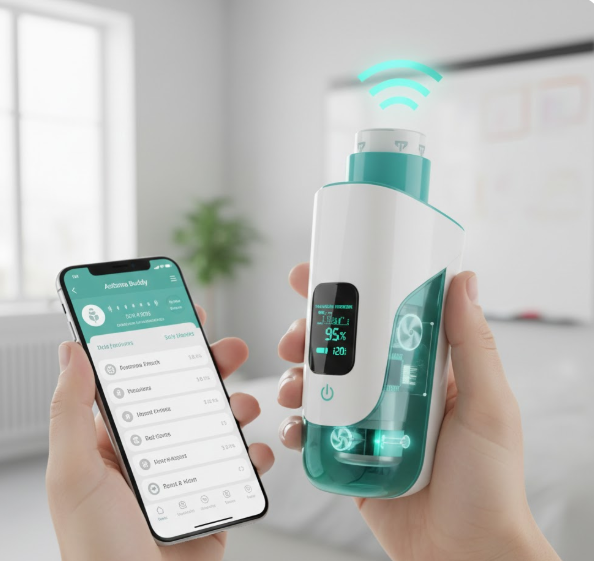
Asthma patients often experience sudden breathing difficulty due to poor inhaler usage tracking and a lack of awareness about trigger patterns. Traditional inhalers deliver medication but do not provide feedback on usage timing, dose accuracy, or breathing technique. This project develops a smart inhaler that monitors airflow, inhalation strength, and usage frequency to improve asthma control. Sensors embedded in the inhaler capture breathing patterns and medication intake, while a controller analyzes the data to detect misuse or irregular patterns. The system helps reduce asthma attacks, improves treatment compliance, and increases patient safety. Future development can support long-term asthma tracking and personalized treatment planning.
4. Smart Contact Lens for Eye Pressure Tracking
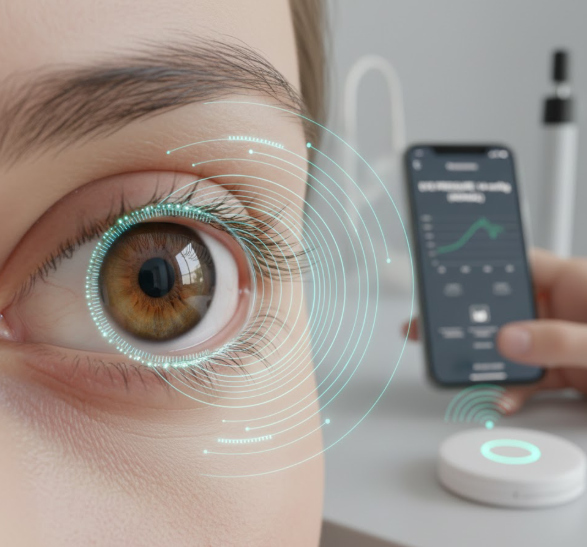
Increased eye pressure is a major cause of glaucoma, which can lead to permanent vision loss if not detected early. Current eye pressure measurement requires clinic visits and periodic testing, which may miss pressure fluctuations throughout the day. This project proposes a smart contact lens that continuously monitors eye pressure during normal eye movement. Pressure-sensitive sensors embedded in the lens detect slight changes related to intraocular pressure and transmit readings to an external receiver. The system enables early risk detection and supports timely clinical intervention. In the future, the lens can support continuous glaucoma management and preventive eye care.
5. Wearable Stress Monitoring Device Using Biomarkers
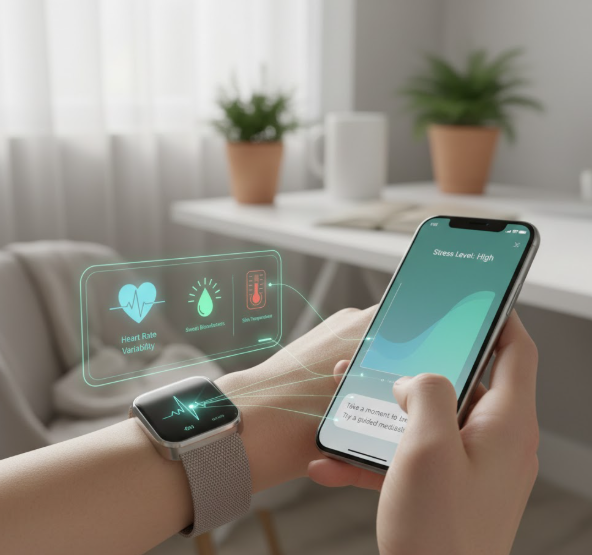
Chronic stress affects mental and physical health and increases the risk of heart disease, sleep disorders, and reduced productivity. Most stress assessment methods depend on questionnaires or visible symptoms, which lack accuracy. This project develops a wearable stress monitoring device that tracks biomarkers such as heart rate variability, skin temperature, and sweat indicators. Sensors collect physiological signals, and a controller analyzes changes associated with stress response patterns. The system helps users recognize stress levels early and take corrective action. Future expansion can support workplace wellness programs and long-term mental health monitoring.
Biosensors & Diagnostic Systems
6. Biosensor-Based Cancer Marker Detection System
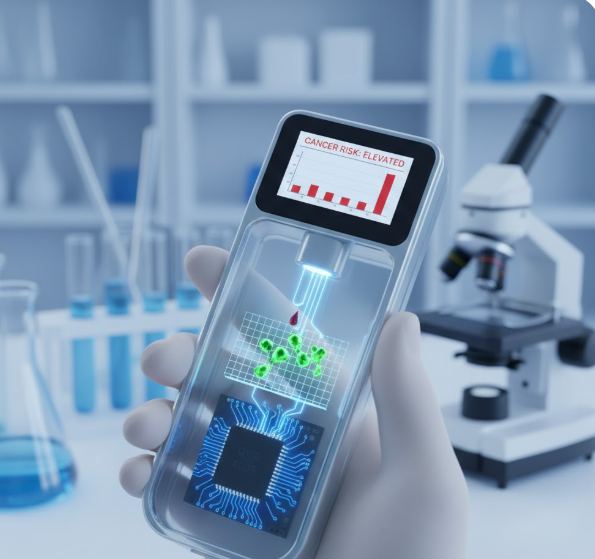
Cancer diagnosis often happens at advanced stages due to limited access to early screening methods. Current techniques rely on imaging and invasive biopsies that require hospitals and specialists. This project proposes a biosensor system that detects cancer markers from saliva or blood samples using biochemical reactions. The sensor output changes based on marker concentration, and a controller analyzes signals to estimate risk levels. The system enables non-invasive screening and faster detection support. Future expansion can include the detection of multiple cancer types on one platform.
7. Lab on Chip Device for Rapid Blood Disaster Screening
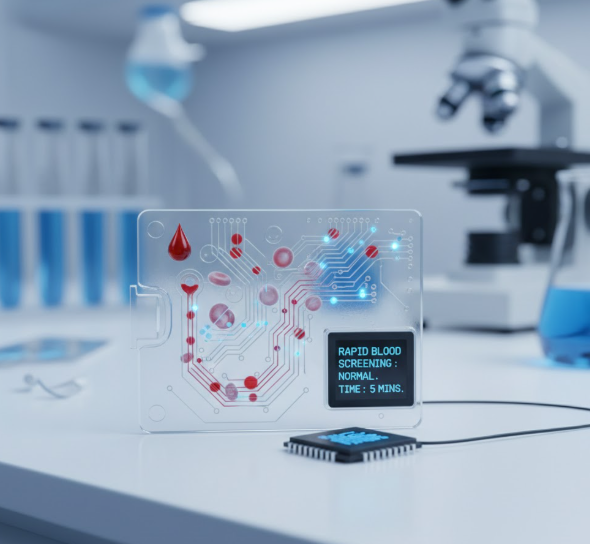
Blood disorders such as anemia and clothing problems require early diagnosis, but many patients face delays due to limited laboratory access. Traditional testing depends on bulky equipment, skilled technicians, and long processing times. This project develops a compact lab-on-a-chip device that performs blood screening using microfluid channels and embedded sensors. A small blood sample flows through the chip, where parameters like cell count and viscosity are measured and processed by a controller. The device delivers fast results at low cost and supports point-of-care testing. Future versions can test multiple blood conditions on a single chip.
8. Point-of-Care Device for Rapid Virus Detection
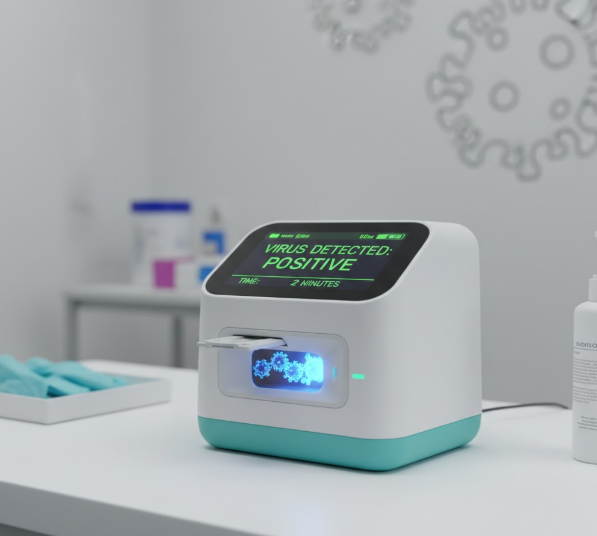
Viral infections spread quickly and require early detection to control outbreaks and begin timely treatment, but conventional diagnostic methods rely on centralized laboratories and long processing times. Existing systems involve sample transport, complex equipment, and trained personnel, which delays results and limits access in remote areas. This project proposes a point-of-care device that enables rapid virus detection using a small biological sample, such as saliva or blood. The device uses biosensing elements to identify viral components and a controller to analyze signals and display results within a short time. The system supports fast decision-making, reduces transmission risk, and improves access to testing. Future development can allow the detection of multiple viruses using a single portable platform.
9. Biosensor-Enabled Food Allergy Detection Tool
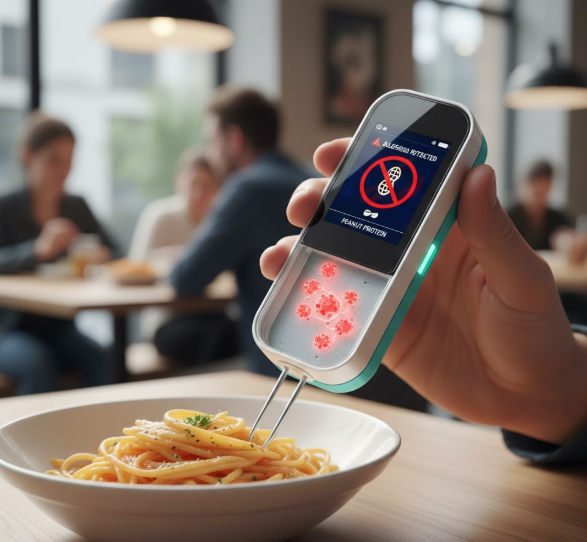
Food allergies can cause severe reactions, and accidental exposure remains a major risk due to unclear labeling and hidden ingredients. Current allergy detection depends on ingredient lists and patient awareness, which cannot prevent cross-contamination. This project develops a biosensor-enabled tool that detects specific food allergens in meals before consumption. The biosensor reacts with allergen proteins and produces measurable signals that a controller interprets to indicate allergen presence. The tool helps users avoid allergic reactions and increases confidence in food safety. Future versions can support the detection of multiple allergens and use in homes, restaurants, and food processing units.
Tissue Engineering & Regenerative Medicine
10. 3D Bioprinted Skin for Burn and Wound Recovery
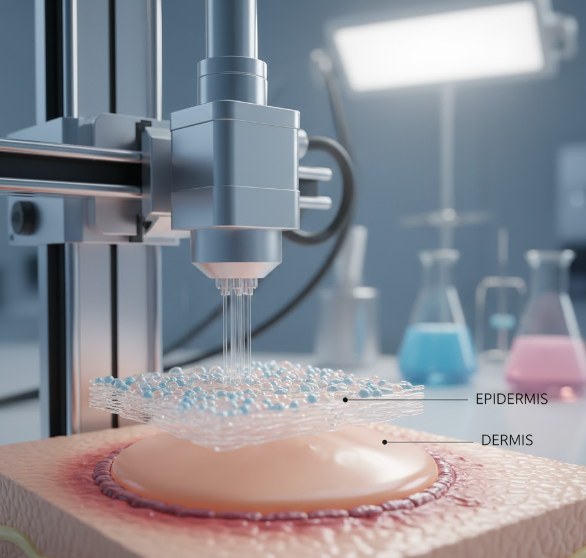
Severe burns damage skin layers and lead to infection risk, pain, and long recovery periods for patients. Existing skin graft methods depend on donor tissue and can cause rejection or additional wounds. This project focuses on creating bioprinted skin using biocompatible materials and living cells to support natural healing. A bioprinter deposits cell-based bio ink layer by layer to mimic skin structure and promote regeneration. The solution speeds healing, lowers infection risk, and improves patient comfort. In the future, the technology can support advanced tissue repair and reconstructive treatments.
11. Bioengineered Scaffold for Bone Regrowth
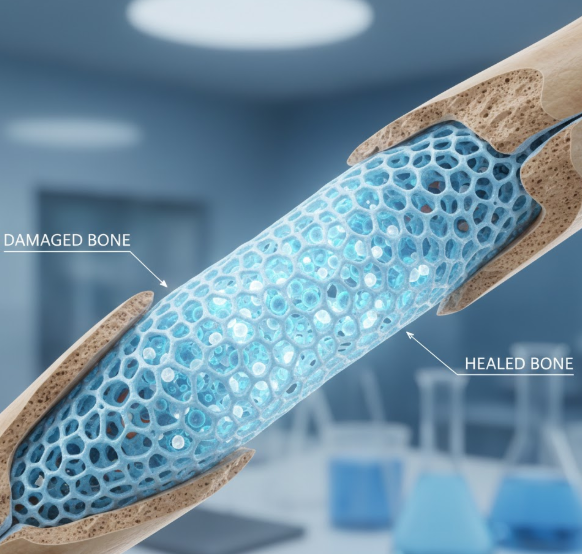
Bone fractures and large skeletal defects often heal slowly and may fail without structural and biological support, leading to long recovery periods and repeated surgeries. Conventional metal implants provide mechanical strength but do not actively support bone tissue growth and may require removal after healing. This project focuses on developing a bioengineered scaffold made from biodegradable and biocompatible materials that support bone cell attachment and growth. The scaffold provides a temporary framework that encourages new bone formation and gradually degrades as natural bone replaces it. This method improves healing speed, reduces surgical intervention, and supports better recovery outcomes. Future development can extend its use to dental reconstruction and spinal repair.
12. Tissue Engineering Model for Heart Muscle Repair
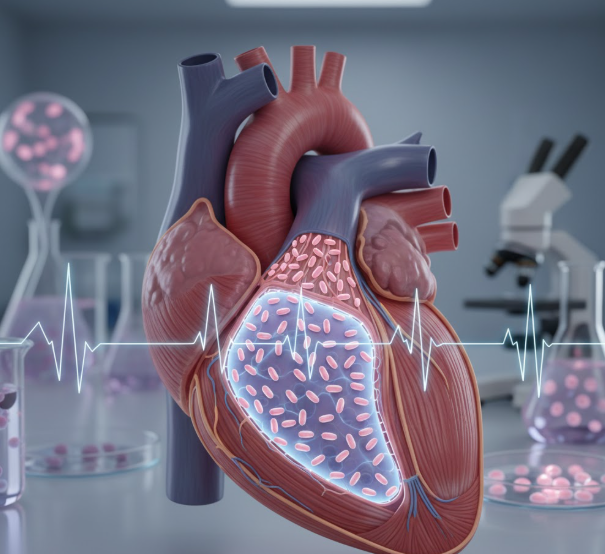
Heart muscle damage caused by conditions such as heart attacks leads to permanent loss of functional tissue, which the body cannot naturally regenerate. Existing treatments manage symptoms but do not restore damaged heart muscle. This project proposes a tissue engineering model that supports the growth of functional cardiac muscle tissue using engineered scaffolds and heart cells. The model creates a controlled environment where cells attach, grow, and form contractile tissue structures. This approach supports improved cardiac function and recovery after injury. Future applications can support regenerative cardiac therapies and drug testing platforms.
13. Biodegradable Implants Post-Surgery Healing
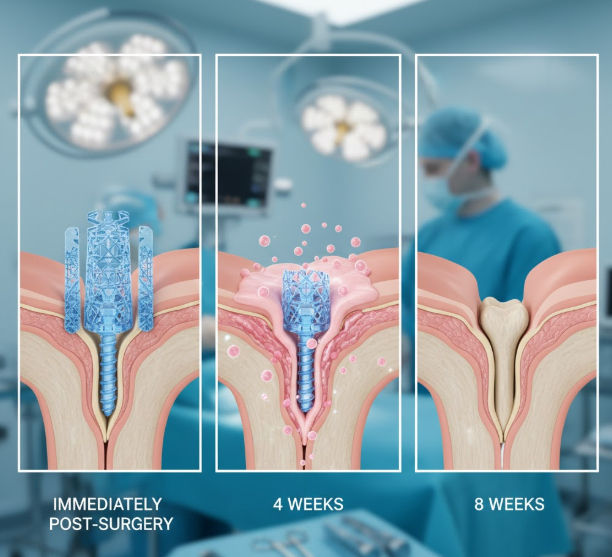
Post-surgery implants often remain in the body permanently or require additional surgery for removal, which increases patient risk and recovery time. Traditional implants may also cause long-term complications such as inflammation or infection. This project develops biodegradable implants that provide mechanical support during healing and safely dissolve after completing their function. The implant maintains strength during tissue repair and gradually breaks down into non-toxic byproducts absorbed by the body. This solution reduces the need for secondary surgeries and improves patient comfort. Future use can expand to orthopedic, pediatric, and trauma surgery applications.
14. Wound healing gel from plant-based biomaterials

Chronic and acute wounds require effective support for healing to prevent infection and tissue damage, especially in diabetic and elderly patients. Many synthetic wound care products may cause irritation or delay natural healing. This project develops a wound healing gel derived from plant-based biomaterials that promote tissue repair and protect against microbial growth. The gel forms a protective layer over the wound, maintains moisture balance, and supports cell regeneration. This approach improves healing speed and reduces infection risk using natural sources. Future development can support low-cost wound care solutions and large-scale healthcare use.
Drug Delivery & Therapeutic Systems
15. Targeted Drug Delivery Using Magnetic Nanoparticles
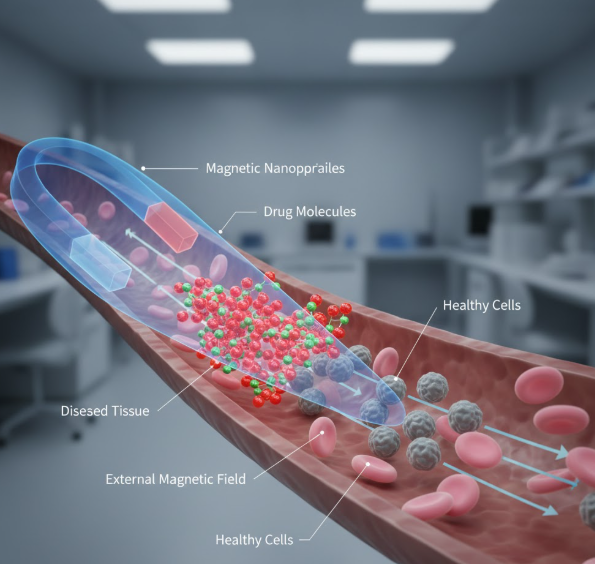
Many medications spread throughout the body and damage healthy tissue while treating disease, which causes side effects. Conventional drug delivery lacks control over where the medicine acts. This project uses magnetic nanoparticles to guide drugs directly to affected tissue areas. Drugs attach to magnetic particles, and external magnetic fields direct them to the target site for controlled release. This method lowers side effects, reduces dosage needs, and improves treatment accuracy. In the future, the system can support cancer therapy and advanced infection treatments.
16. Artificial Pancreas Prototype for Diabetes Control
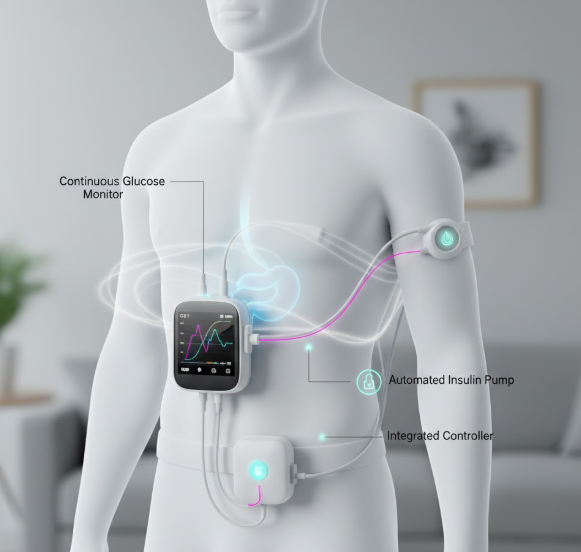
Diabetes patients face continuous challenges in maintaining stable blood glucose levels due to the need for frequent monitoring and manual insulin dosing, which increases the risk of complications such as hypoglycemia and long-term organ damage. Existing management systems separate glucose measurement and insulin delivery, leading to delayed or inaccurate dosing. This project proposes an artificial pancreas prototype that combines continuous glucose monitoring with automated insulin regulation in a closed-loop system. Glucose sensors collect blood sugar values and send them to a controller that calculates the required insulin dose and activates an insulin pump accordingly. The system supports better glucose stability, reduces patient effort, and lowers health risks. Future development can support long-term diabetes management and integration with personal health monitoring systems.
Assistive & Rehabilitation Technologies
17. Smart prosthetic hand with sensory feedback
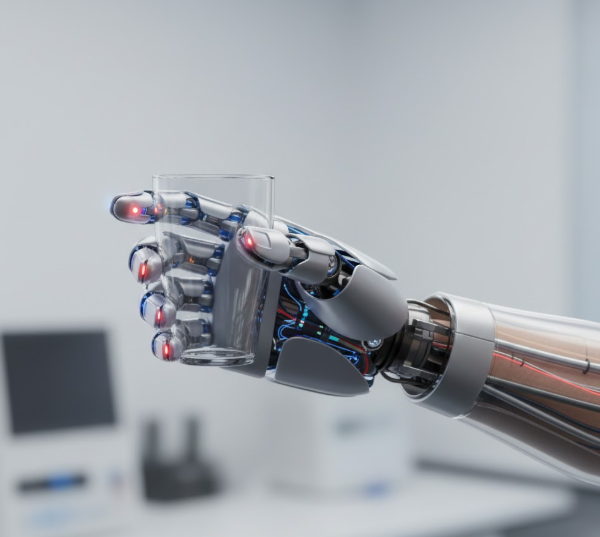
Many amputees rely on prosthetic hands that restore basic movement but lack touch sensation, which limits precision and daily task performance. Existing prosthetic systems focus mainly on mechanical motion and do not provide feedback to the user. This project proposes a smart prosthetic hand that integrates pressure and temperature sensors to provide sensory feedback. Sensors detect force and heat during object interaction, and a controller converts these signals into feedback through vibration or interface modules. This system improves grip control, object handling, and user confidence. Future development can support advanced rehabilitation and integration with neutral interfaces.
18. Neural Signal Controlled Wheelchair
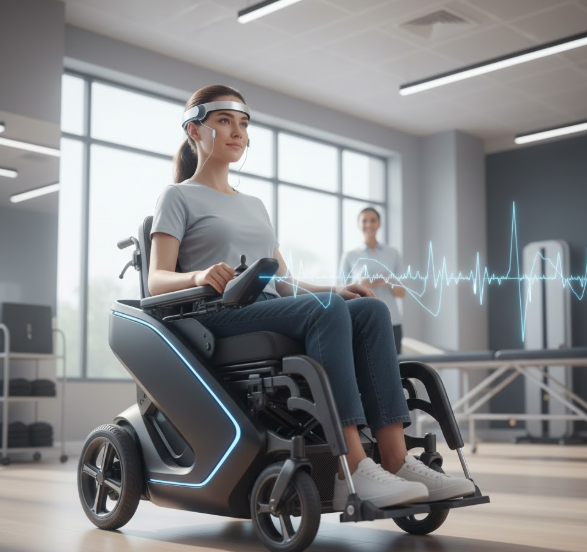
Individuals with severe mobility impairment often depend entirely on caregivers due to their inability to control conventional wheelchairs. Traditional wheelchair control methods require physical movement, which many patients cannot perform. This project develops a neural signal-controlled wheelchair that enables users to navigate using brain or muscle signals. Sensors capture neural or electromyographic signals, which a controller interprets to generate movement commands. The system increases independence and mobility for paralyzed patients. Future expansion can include obstacle avoidance and indoor navigation support.
19. Brain-Controlled Robotic Arm for Rehab Therapy
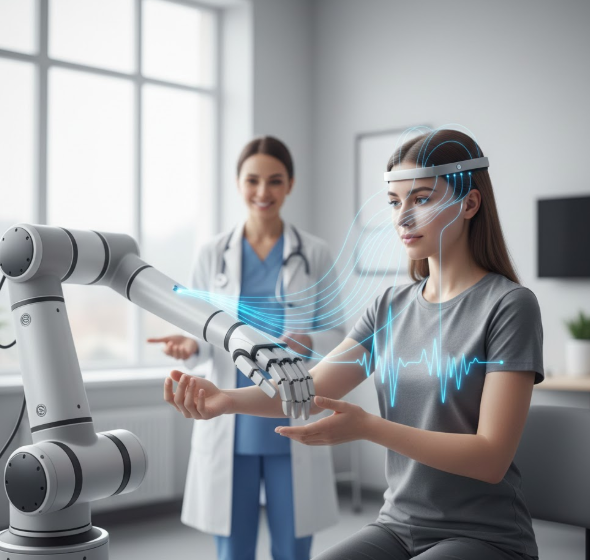
Stroke and spinal injury patients face difficulty in regaining motor function due to weakened neural control pathways. Conventional rehabilitation requires long sessions and therapist supervision. This project proposes a brain-controlled robotic arm that assists rehabilitation by responding to the user's brain signals. Neural sensors capture intent signals, which a controller translates into robotic arm movements. The system supports repetitive training, improves motor recovery, and reduces therapy workload. Future development can support home-based rehabilitation and adaptive training systems.
20. Portable Dialysis Support Device
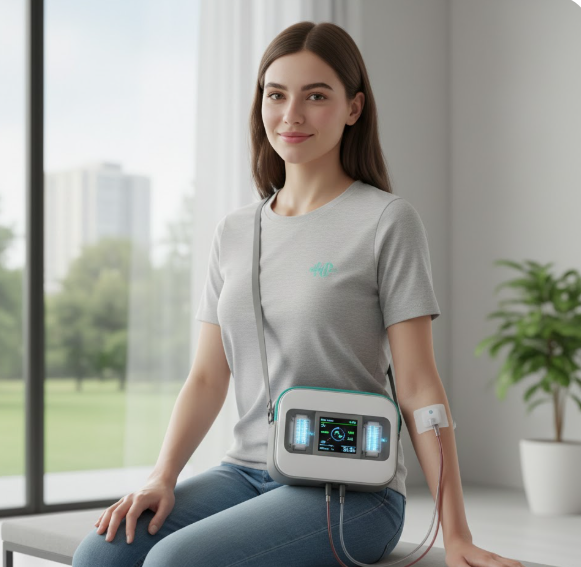
Kidney failure patients require frequent dialysis sessions, which restrict daily life and increase hospital dependence. Conventional dialysis machines are large and fixed in clinical settings. This project proposes a portable dialysis support device that assists blood filtration outside hospital environments. The system uses compact filtration modules and sensors to monitor flow and safety parameters under controller supervision. This solution improves patient mobility, reduces hospital visits, and supports a better quality of life. Future development can enable wearable dialysis systems and home care integration.
Genetics, Bioinformatics & Personalized Care
21. CRISPR-Based Gene Therapy Simulation Platform
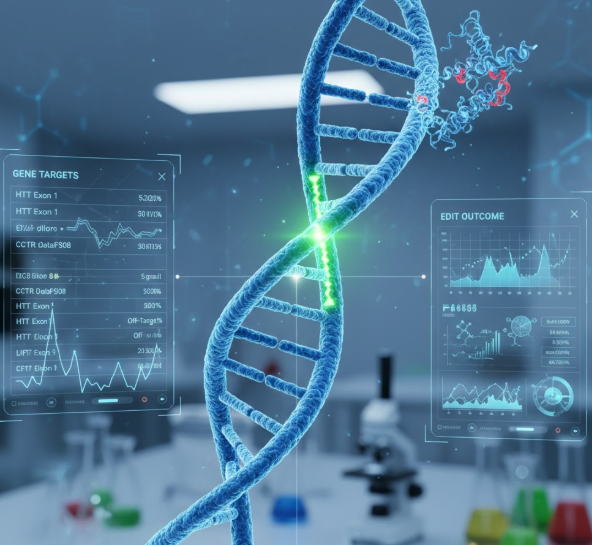
Genetic disorders occur due to mutations in specific genes, and current treatment methods mainly focus on symptom management rather than correction at the genetic level. Direct gene therapy testing involves ethical, safety, and cost challenges, which limit hands-on learning and early research. This project proposes a CRISPR-based gene therapy simulation platform that models gene editing processes in a controlled and safe environment. The platform simulates target gene identification, guide RNA selection, and gene correction outcomes using biological rules and datasets. It helps students and researchers study gene modification behavior without clinical risk. Future development can support advanced genetic research training and preclinical planning studies.
22. Bioinformatics Tool for Rare Disease Pattern Study
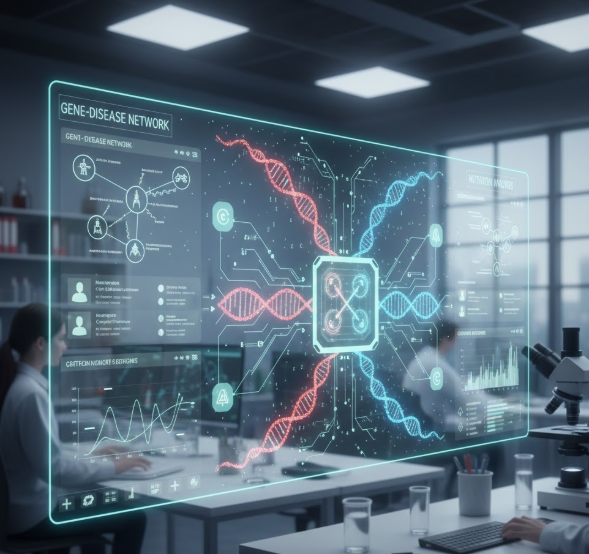
Rare diseases affect a small population but often face delayed diagnosis due to limited clinical knowledge and scattered genetic information. Traditional diagnostic methods struggle to identify patterns because of insufficient case data and manual analysis. This project develops a bioinformatics tool that analyzes genetic sequences and clinical records to identify common patterns linked to rare diseases. The system processes genetic datasets to detect mutations, correlations, and recurring traits associated with specific conditions. It supports faster identification and better understanding of rare disorders. Future expansion can assist research institutions and support early diagnosis planning.
23. Personalized Medicine Platform Using Genetic Profiles
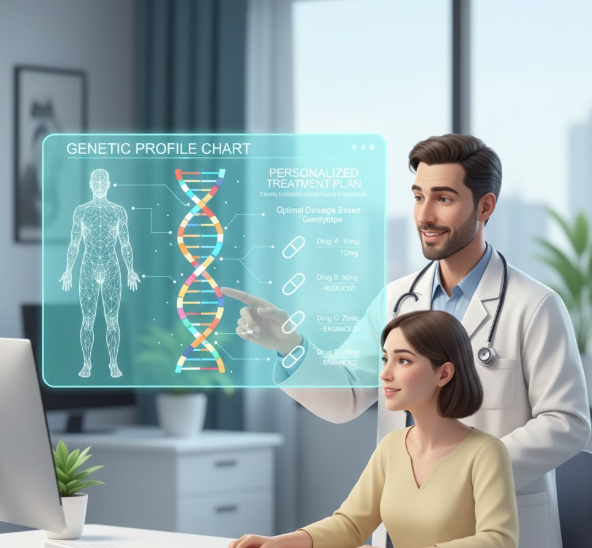
Patients respond differently to the same medication due to genetic variation, which can reduce treatment effectiveness and cause adverse reactions. Standard treatment methods follow generalized dosing guidelines that do not account for individuals' genetic differences. This project proposes a personalized medicine platform that uses genetic profiles to guide treatment selection and dosage planning. The system analyzes patient gene data related to drug response and metabolism to recommend suitable treatment options. It improves treatment accuracy, reduces side effects, and supports patient-specific care decisions. Future use can support clinical decision systems and long-term patient care planning.
Environmental & Public Health Biotechnology
24. Microbial-Based Wastewater Treatment System for Pathogen Removal
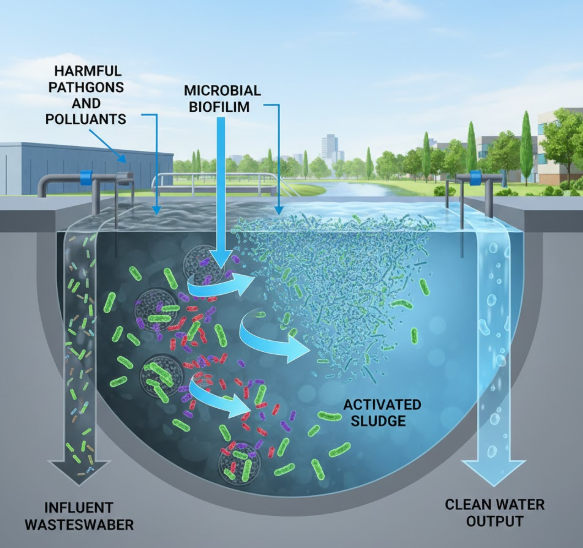
Untreated wastewater spreads disease and contaminates drinking water sources, especially in densely populated areas. Conventional treatment plants require high energy input and complex infrastructure, which limits their use in small communities. This project proposes a microbial-based wastewater treatment system that uses selected bacteria to break down organic waste and eliminate harmful pathogens. Microorganisms convert pollutants into harmless byproducts through biological processes under controlled conditions. The system improves water quality while reducing chemical use and operating costs. Future development can support community-level sanitation and decentralized treatment units.
25. Biodegradable Bio Plastic Production from Agricultural Waste

Plastic waste harms ecosystems and creates public health risks through pollution and microplastics. Traditional plastics depend on petroleum sources and remain in the environment for decades. This project focuses on producing biodegradable bioplastic using agricultural waste and microbial fermentation. Biomass undergoes processing to generate polymers that break down naturally after use. The solution reduces plastic pollution and promotes sustainable material use. Future use can support food packaging and medical product manufacturing.
26. Biofilter System for Air Purification Using Algae or Bacteria
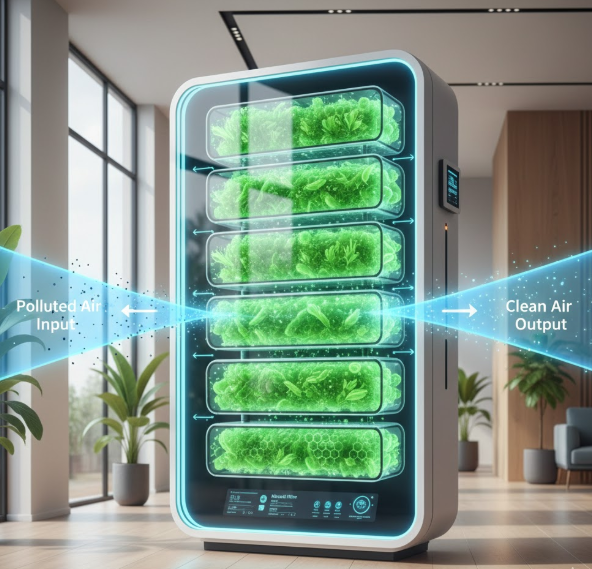
Air pollution causes respiratory diseases and long-term health problems in urban environments. Mechanical air purifiers consume high power and only trap particles without neutralizing toxins. This project develops a biofilter system that uses algae or beneficial bacteria to absorb pollutants and convert them into safer compounds. Air passes through a biological chamber where microorganisms interact with contaminants and reduce toxicity. The system improves indoor air quality and supports healthier living spaces. Future expansion can support public buildings and smart city infrastructure.
Biomedical Robotics & Automation
27. Patient lifting assist robot for hospitals
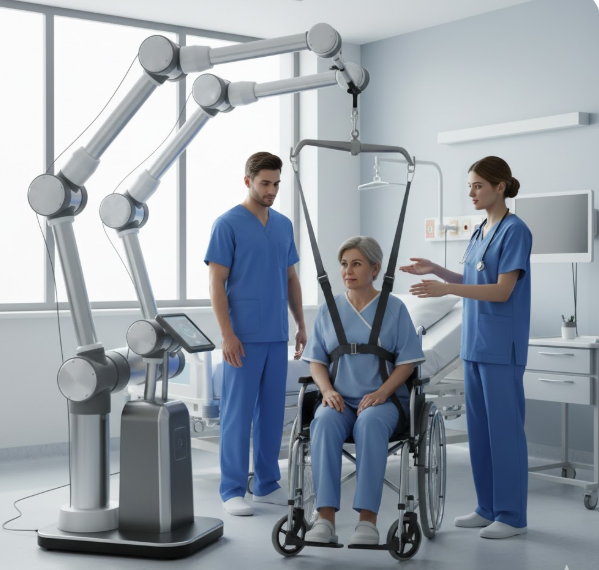
Healthcare workers frequently suffer from physical strain and injuries while lifting or transferring patients, especially in intensive care and long-term care units. Manual lifting also increases the risk of patient falls and improper handling. This project proposes a patient lifting assist robot designed to safely support patient movement from beds to wheelchairs or during repositioning. The robotic system uses mechanical arms, load sensors, and controlled actuators to lift and stabilize patients smoothly under operator control. The system reduces physical effort for medical staff and improves patient safety and comfort. Future development can support autonomous navigation and use in rehabilitation centers and elderly care facilities.
28. Automated surgical assistance robotic system
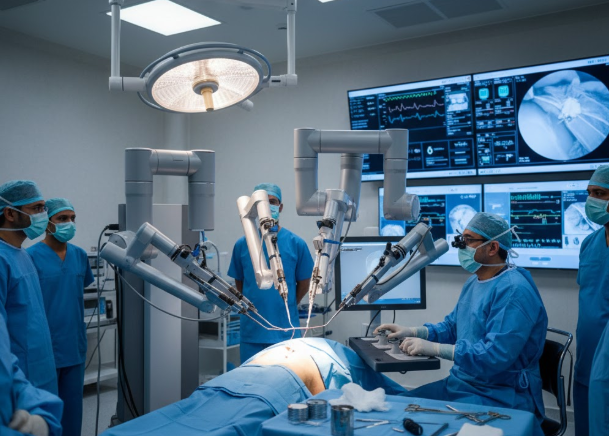
Surgical procedures demand high precision and steady control, and long operating times can lead to fatigue and reduced accuracy. This project develops an automated surgical assistance robotic system that supports surgeons by improving instrument positioning and motion control. The robot uses actuators and guided supervision. The system improves accuracy and supports minimally invasive surgery. Future expansion can support complex surgical applications and training environments.
Maternal, Child Care Technologies
29. Fetal Health monitoring wearable system
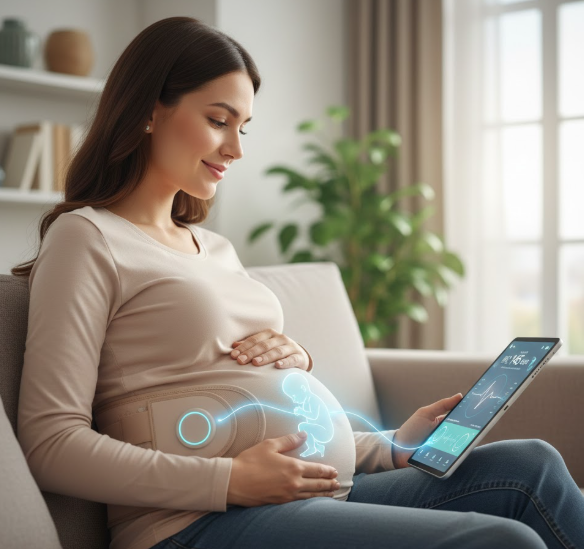
Monitoring fetal health during pregnancy is essential for early detection of complications, but current systems depend on hospital visits. This project proposes a wearable fetal health monitoring system that tracks fetal heart rate and maternal signals during daily activities. Sensors collect data, and a controller analyzes patterns to detect abnormalities. The system supports early alerts and improves prenatal care access. Future use can support remote maternity monitoring.
30. Smart Baby vital sign monitoring system
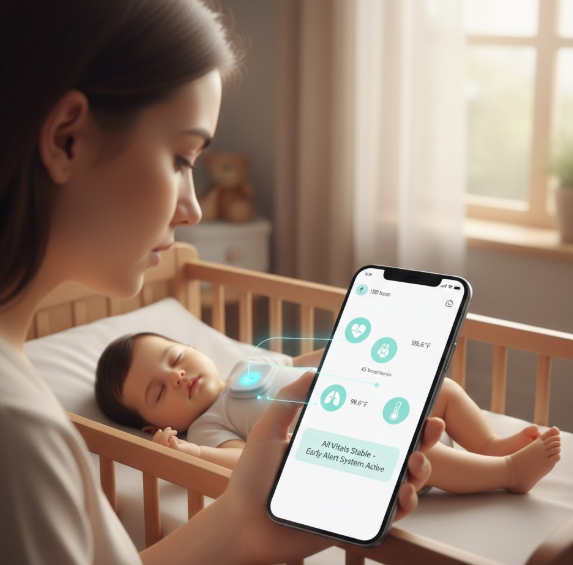
Infants require continuous observation due to their vulnerability to sudden health issues such as breathing irregularities or temperature imbalance. Traditional baby monitoring methods rely on manual checks or basic audio devices, which lack medical accuracy. This project develops a smart baby vital sign monitoring system that tracks parameters such as heart rate, body temperature, and breathing patterns. Sensors collect vital data, and a controller analyzes trends to detect unsafe conditions. The system supports timely caregiver alerts and improves infant safety. Future use can support neonatal care units and home-based infant monitoring.
Conclusion
By selecting from these best biomedical and Biotechnology Engineering Project Ideas, students can build projects that strengthen fundamentals, improve confidence during reviews and viva sessions, and support future plans such as higher studies, research, or industry roles. A well-chosen project does more than fulfill academic requirements. It helps students think like problem solvers who design solutions for healthcare systems, patients, and society.

The EIMT Editorial Team is made up of academic editors, faculty contributors, curriculum specialists, instructional designers, education researchers, programme managers, quality assurance professionals, content strategists, and subject matter experts...
Frequently Asked Questions
What are the top 5 biomedical engineering projects for final year students?
How do you choose a biomedical engineering final year project?
What are the latest biomedical engineering project trends?
What are low-cost biomedical engineering project ideas?
How do biomedical sensors work in healthcare devices?
Can biomedical engineering students build medical devices as part of their projects?
What programming languages help biomedical engineering students?
Why are final year biomedical engineering projects important?
What skills are required for biomedical engineering projects?
How do biomedical engineering projects improve healthcare?
Latest Updates & Articles
Stay Connected !! To check out what is happening at EIMT read our latest blogs and articles.



Sep 10, 2026

Sep 10, 2026